


Rubio Declares U.S. “At War” With Drug Traffickers, Not Venezuela, After U.S. Strikes
- by Sarah, Washington, RNG247
- about 9 months ago
- 252 views
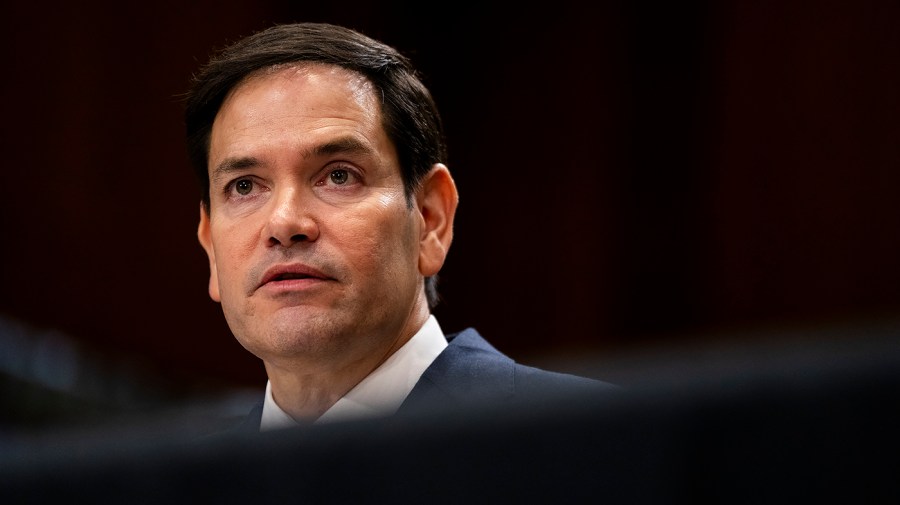
In remarks delivered a day after U.S. military strikes on Venezuelan territory, Senator Marco Rubio framed America's campaign as a fight “against drug trafficking organisations,” not against the Venezuelan state, intensifying an already volatile debate over U.S. action in the region.
Rubio, a Florida Republican and longtime critic of the Venezuelan government, said the strikes — authorized by the administration and carried out against sites U.S. officials described as linked to illicit narcotics networks — were narrowly targeted measures aimed at disrupting transnational criminal organizations that traffic drugs into the United States. “This is not a war on Venezuela,” he said. “This is a war against drug trafficking organisations that prey on our people and our neighborhoods.”
The senator’s comments sought to draw a sharp distinction between targeting criminal networks and engaging in hostilities with a sovereign government, language apparently intended to blunt criticism from lawmakers, diplomats and international observers who warned the strikes risk escalating tensions in the Western Hemisphere.
Administration officials, speaking on the condition of anonymity, described the operations as limited, intelligence-driven strikes focused on disrupting logistical networks and leadership nodes used to move large quantities of narcotics. U.S. officials said planning emphasized minimizing civilian harm and collateral damage; however, independent confirmation of target assessments and damage remains limited.
Domestic political reaction was swift and sharply divided. Supporters hailed the strikes as a necessary step to protect American communities from the fentanyl and other deadly substances that have contributed to rising overdose deaths. “When we have the capacity to strike the infrastructure of criminal cartels, we must,” said one Republican lawmaker. Critics, including several Democrats and civil liberties advocates, called for greater congressional oversight, arguing the action raised constitutional and legal questions about the executive branch’s authority to use military force without explicit congressional authorization.
Internationally, the strikes triggered diplomatic unease. Venezuela condemned the strikes as a violation of its sovereignty and vowed to pursue unspecified retaliatory measures while summoning ambassadors and lodging protests with international bodies. Several Latin American governments urged restraint and called for urgent multilateral dialogue to avoid a wider confrontation. Humanitarian organizations expressed alarm at potential impacts on civilians and called for independent investigations into any reported casualties.
Legal scholars and foreign policy experts offered divergent readings. Some contended that targeting non-state actors operating from a third country can be justified under the U.S. right of self-defense if that country is unwilling or unable to address the threat. Others argued the legal and factual thresholds for such an assertion have not been publicly met and stressed the need for transparency about the intelligence underpinning the strikes.
Rubio’s insistence on the narrow anti‑narcotics framing appears aimed at two audiences: conservative constituents and international partners. In Florida, a state hard-hit by opioid deaths and with a large Venezuelan-American community, the message resonated with those demanding tougher action. Abroad, the administration faces the task of persuading skeptical allies and regional neighbors that U.S. actions are narrowly tailored to criminal networks, not part of a broader campaign to destabilize Venezuela.
The strikes also complicate U.S. efforts to pursue diplomatic avenues. Washington has for years combined sanctions, diplomatic pressure and support for opposition elements in an attempt to influence the Maduro government; military action adds a new and unpredictable variable to that strategy. Analysts warned the strikes could harden positions in Caracas and make cooperation on issues like counternarcotics or migration more difficult.
Congressional leaders called for briefings and demanded copies of legal memos and intelligence assessments justifying the strikes. Several members urged the president to consult with Congress on further operations. “The American people deserve to know the legal basis and the facts,” said a senior senator from the foreign relations committee.
For now, the immediate fallout centers on damage assessment, casualty reports and diplomatic fallout. Independent monitors and international media are seeking access to the affected areas, but Venezuela’s government has limited outside oversight in many parts of the country. Humanitarian and medical groups in the region reported increased anxiety among border communities and said they were preparing for potential displacement or service disruptions.
Rubio dismissed suggestions that the strikes would provoke broader conflict. “We will not provoke a war,” he said, insisting the U.S. objective is to incapacitate criminal networks that use Venezuelan territory as a safe haven. Whether that objective can be achieved without deeper political consequences in the hemisphere remains an open and contentious question.
As officials weigh next steps and Congress pursues oversight, the episode highlights enduring tensions in U.S. policy toward Latin America: the imperative to confront transnational crime and the risks inherent in using military force on foreign soil. The coming days will test whether the administration can sustain a narrative of precision counter-narcotics action while managing diplomatic fallout and legal scrutiny at home and abroad.

0 Comment(s)